

Our mission at Philadelphia Aikido is to become the best Aikido dojo possible.
WE STRIVE TO:
- Foster the personal growth of our students and staff, leading to a fuller enjoyment of life through Aikido training.
- Maintain the highest level of personal integrity both within and outside the dojo.
- Continually learn, improve and grow as a dojo and as individuals.
- Share the positive impact of Aikido training with all individuals who sincerely wish to work, learn and contribute to this effort.

Cecelia Ricciotti Sensei
Ricciotti Sensei is 8th Degree black belt Chief instructor and has been teaching Aikido to children and adults in the Philadelphia area since 1978. Ricciotti Sensei has the unique distinction of being the first female 8th degree Aikido black belt in the world.
Cecelia Ricciotti grew up in a martial arts family. Her father and uncle were both professional boxers in an age when boxing was a popular American sport. She was always fascinated by the discipline and empowerment associated with martial arts, but boxing was not for her. Karate was becoming popular and images of Bruce Lee were everywhere. She began shopping around for a fun, challenging activity. Her search brought her to Shuji Maruyama Sensei’s dojo in downtown Philadelphia. It was 1974 and she began training in earnest.
By 1977 she had begun teaching for Maruyama Sensei. Since that time she opened her own dojo in Mt. Airy and later one in Germantown. When Maruyama Sensei moved back to Japan she helped maintain his downtown dojo. Eventually he asked her to take it over and appointed her regional coordinator. That dojo, although it has changed location several times, is still the same dojo with many of the same members and instructors.
Cecelia Sensei, now 8th Dan, travels to affiliated dojos around the country and abroad to teach Aikido seminars and continues to teach at her dojo here in Wynnefield Heights, Philadelphia.
Read Cecelia Sensei’s January 2022 interview about Shuji Maruyama Sensei at: https://maytt.home.blog/2022/01/05/interview-with-kokikai-regional-coordinator-cecelia-ricciotti-aikido-and-philadelphia-pioneer-shuji-maruyama/

Shuji Maruyama Sensei
Maruyama Sensei studied as a young man at the dojo of the founder of Aikido, Morihei Ueshiba. He trained as one of the esteemed uchi deshi, or “resident students” and dedicated his life to the mastery and teaching of Aikido. Maruyama Sensei came to the United States in 1968 and opened Philadelphia’s first Aikido dojo in Center City. After he returned to Japan he turned the dojo over to Cecelia Ricciotti Sensei who continues to run it as Philadelphia Aikido at its current location in Wynnefield Heights. If you would like to know more about Maruyama Sensei, read this atricle by Gaku Homma:
The Silent Pioneer: Shuji Maruyama Sensei, Kokikai Founder
Read Cecelia Sensei’s January 2022 interview about Shuji Maruyama Sensei at: https://maytt.home.blog/2022/01/05/interview-with-kokikai-regional-coordinator-cecelia-ricciotti-aikido-and-philadelphia-pioneer-shuji-maruyama/
Ronald Darrisaw
Ron Darrisaw Sensei, 5th degree black belt, began training in 1974 studying karate, earning a black belt. After seven years, Ron said, “I began to have mixed feelings about the art and wondered if there was something more to martial arts other than kicking and punching.” I learned about Aikido and began to investigate this art. I knew immediately after witnessing a demonstration in Aikido that this was what I’d been looking for.” Ron has been training in Aikido since 1984 and has been a student under Ricciotti Sensei since 1992. He has said that through training he hopes to reach a “higher level” of understanding.

Kelsie Benner
Benner Sensei has been studying martial arts since 1992. At age 17, he joined the Penn State T’ai chi club, where he learned T’ai chi, Ba Gua, Xingyi and Chi Gung meditation. He started studying Aikido with Cecelia Ricciotti Sensei a year later in 1993, becoming a member of both Aikido Kokikai of Germantown and Aikido Kokikai of Penn State (1993 – 1996). He currently holds the rank of 6th degree black belt in Aikido Kokikai, and continues to teach and practice T’ai chi, Chi Gung and Aikido at the Dojo.

Nick Alpers
Nick Sensei first saw Aikido in high school, at a series of demonstrations led by one of his teachers. Many years later, in 2003, the memory of those demonstrations inspired him to begin his practice of Kokikai Aikido. He has been a student of Cecelia Ricciotti Sensei ever since. He is a labor organizer and father of two. He holds the rank of sandan (3rd degree black belt).

Anchuing Wang
Wang Sensei started training in Aikido in 2001 at The College of New Jersey. Having practiced through his college years and after graduation, he joined the South Jersey Dojo where he attained 5th degree black belt. He occasionally teaches Aikido at Philadelphia Aikido and is also an instructor at The College of New Jersey.
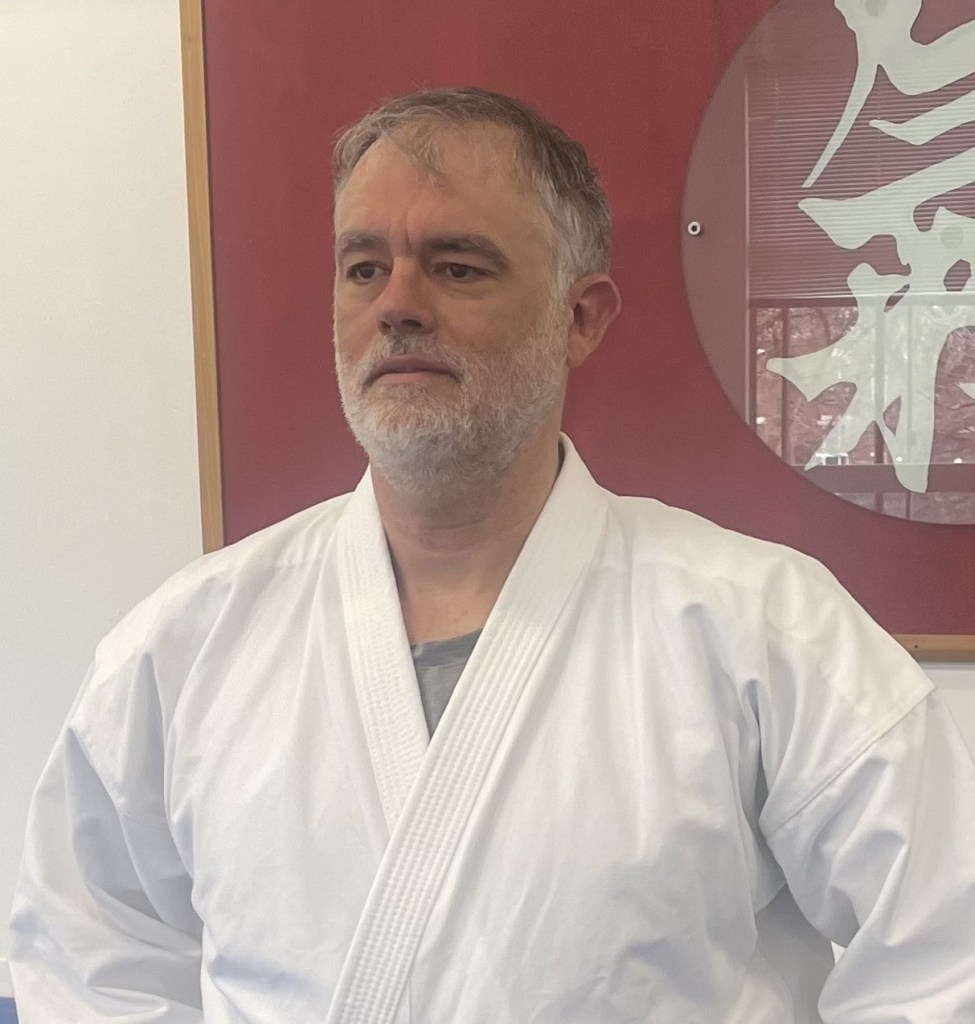
Troy Graham
Troy Graham Sensei, a 4th Degree black belt (Yondan) in Kokikai Aikido, is the chief instructor at the Philadelphia Aikido-Queen Village Dojo. He began his studies with Cecelia Ricciotti Sensei in 2003 and has trained at seminars and camps around the country. He has also traveled to Japan to train with Kokikai founder Shuji Maruyama Sensei.
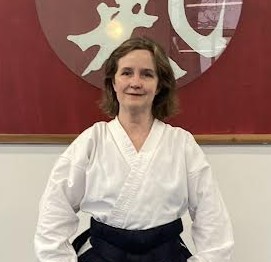
Conny Sterner
Conny Sterner Sensei, a 3rd Degree black belt (Sandan) in Kokikai Aikido, is an instructor at the Philadelphia Aikido-Queen Village Dojo. She began training with Cecelia Ricciotti Sensei in 2011. Since then, she has experienced the profound benefit and immense joy of studying this art both on and off the mat. She has practiced, mentored and taught in dojos in the US and Europe.
Visit us on Instagram: https://www.instagram.com/philadelphia_aikido/
 PHILADELPHIA AIKIDO